
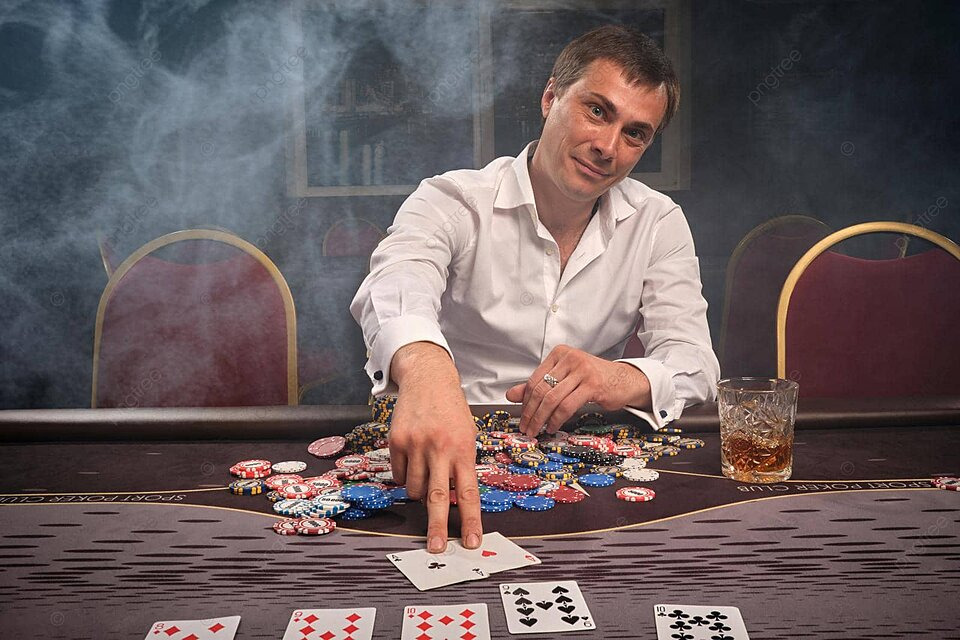
Poker is not just a game of cards—it’s a game of decisions under pressure. While strategy and odds matter, discipline is what separates consistent winners from players who bleed chips through avoidable mistakes. A lack of discipline leads to tilt, poor bankroll choices, and impulsive plays that quietly destroy long-term results.
This article breaks down proven poker discipline techniques that help players stay sharp, composed, and profitable over time.
Why Discipline Matters More Than Talent in Poker
Many skilled players lose money not because they misunderstand the game, but because they fail to control themselves. Discipline acts as a safeguard against emotional reactions and cognitive bias.
Without discipline, players often:
-
Chase losses instead of cutting them
-
Ignore bankroll limits
-
Play hands they know they should fold
-
Make decisions based on ego rather than logic
Strong discipline keeps every decision aligned with long-term expected value rather than short-term emotions.
Master Emotional Control at the Table
Emotions are the fastest way to leak chips. Anger, frustration, and overconfidence all distort judgment.
Techniques to stay emotionally balanced
-
Pause before acting after big wins or losses
-
Practice deep breathing during stressful hands
-
Detach emotionally from single outcomes and focus on decision quality
Recognizing early signs of tilt—like rushing decisions or justifying bad calls—allows you to step away before damage is done.
Stick to a Bankroll Management System
Poor bankroll discipline is one of the most expensive mistakes in poker.
Smart bankroll habits include
-
Playing stakes appropriate for your bankroll size
-
Avoiding “taking shots” while emotionally charged
-
Setting strict loss limits per session
A disciplined bankroll strategy protects you from variance and keeps you in the game long enough for skill to matter.
Develop Pre-Session and Post-Session Routines
Consistency creates discipline. Routines help players transition into a focused mindset and reflect afterward without emotion.
Effective routines often involve
-
Reviewing key concepts before playing
-
Setting clear goals unrelated to winning money
-
Analyzing hands after the session ends
These habits reduce impulsive decisions and build long-term improvement.
Avoid Autopilot Play
Autopilot is a silent bankroll killer. When focus drifts, players default to habits instead of logic.
Stay mentally engaged by
-
Playing fewer tables if online
-
Taking short breaks every hour
-
Actively thinking through ranges and opponent tendencies
Discipline means choosing quality decisions over quantity of hands.
Accept Variance Without Chasing Losses
Variance is unavoidable. Disciplined players accept short-term losses without trying to “fix” them immediately.
Key mindset shifts:
-
Bad runs don’t require aggressive adjustments
-
Winning today is less important than playing correctly
-
Folding is a disciplined win, not a weakness
When variance hits, discipline keeps you grounded and prevents emotional overcorrections.
Know When to Quit a Session
One of the strongest discipline skills is knowing when to stop.
Quit when:
-
Focus is fading
-
Emotions feel elevated
-
You’re justifying risky decisions
Leaving the table at the right time often saves more money than any clever bluff.
Build Discipline Through Self-Awareness
Poker discipline improves with honest self-evaluation.
Practical self-awareness tools
-
Keep a short session journal
-
Track emotional triggers
-
Review hands where emotion influenced decisions
Awareness turns discipline into a habit rather than a constant struggle.
Long-Term Benefits of Strong Poker Discipline
Players who commit to discipline experience:
-
Fewer costly mistakes
-
More consistent results
-
Improved confidence under pressure
-
Better long-term profitability
Discipline doesn’t remove risk—it ensures risks are calculated, controlled, and intentional.
Frequently Asked Questions (FAQ)
1. Can discipline really matter more than poker strategy?
Yes. Even perfect strategy fails when emotions override decision-making. Discipline ensures strategy is applied correctly.
2. How long does it take to build strong poker discipline?
It varies, but noticeable improvement often occurs within weeks of conscious practice and self-review.
3. Is taking breaks during sessions really necessary?
Absolutely. Breaks reset focus, reduce tilt, and prevent mental fatigue from influencing decisions.
4. How do professionals handle losing streaks?
They rely on bankroll management, reduce emotional attachment to outcomes, and focus on decision quality.
5. Should beginners focus on discipline early?
Yes. Developing discipline early prevents bad habits that are hard to break later.
6. What’s the biggest discipline mistake recreational players make?
Chasing losses and moving up stakes emotionally instead of logically.
7. Can discipline be trained outside of poker?
Yes. Meditation, journaling, and structured routines all strengthen mental discipline that transfers to poker.
