
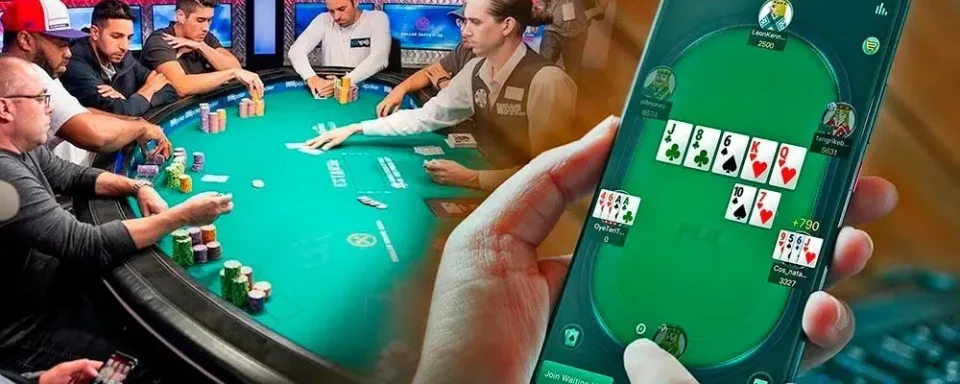
Poker is one of the most popular card games worldwide, attracting casual players, professionals, and enthusiasts alike. Known for its blend of skill, psychology, and chance, poker continues to thrive both at the tables and online. Understanding the core principles and developing the right mindset can transform the way you play. This article explores poker in detail, offering strategies, practical insights, and expert-level knowledge designed to improve performance and maximise winning potential.
The Fundamentals of Poker
Poker is played in many variations, with Texas Hold’em being the most widely recognised. Regardless of the format, the objective remains the same: create the best possible hand, or convince opponents to fold by betting strategically. To excel, players must grasp both the rules and the deeper layers of decision-making that shape every hand.
Core Elements of Poker
-
Hand rankings: From a high card to a royal flush, knowing where your hand stands is the foundation of all decision-making.
-
Betting structure: Understanding blinds, antes, and bet sizes is crucial for managing risk and applying pressure.
-
Position: Where you sit in relation to the dealer can dramatically influence strategy, as later positions allow more information before acting.
-
Psychological play: Bluffing, reading opponents, and maintaining a calm demeanour are as vital as the cards themselves.
Developing a Winning Mindset
Poker success is not just about the cards you hold but also about your approach to the game. Mental discipline separates consistent winners from those who rely on luck.
-
Patience: Folding weak hands is often the smartest move. Playing fewer hands with stronger ranges leads to long-term profitability.
-
Emotional control: Avoiding “tilt” (emotional frustration leading to poor decisions) helps maintain steady play.
-
Calculated risk-taking: Successful players balance aggression with caution, choosing optimal moments to push the action.
Key Strategies for Beginners
For those starting out, poker can feel overwhelming. Breaking the game into structured steps makes it easier to grasp.
Focus on Starting Hands
Play selectively from strong positions. Hands like high pairs (aces, kings, queens) or suited connectors (10-J of the same suit) often offer higher chances of success.
Pay Attention to Position
Acting later in a betting round gives a clearer picture of opponents’ intentions. This knowledge provides an edge in both betting and bluffing.
Learn to Fold
Not every hand should be played. Recognising when you are beaten and folding early saves chips for better opportunities.
Advanced Poker Techniques
Once the basics are mastered, players can refine their style with deeper tactics. These methods elevate poker beyond simple play and into strategic competition.
Bluffing with Purpose
Bluffing is about storytelling. Successful bluffs occur when the betting patterns and board texture suggest you could have the stronger hand. Random bluffs rarely succeed.
Reading Opponents
Observe betting habits, timing, and body language in live games. Online, watch for patterns such as overly aggressive play or frequent calls.
Pot Odds and Equity
Calculating the risk versus reward of each decision allows players to make mathematically sound choices. Understanding pot odds helps avoid unnecessary losses.
Table Image and Dynamics
How others perceive you matters. If you’ve been playing tight, a sudden bluff is more believable. Conversely, if you’ve been aggressive, opponents may call you down lighter.
Common Mistakes to Avoid
Even skilled players can fall into traps that cost chips and momentum.
-
Playing too many hands
-
Overvaluing marginal hands
-
Ignoring position
-
Bluffing excessively without strategy
-
Chasing losses with reckless play
Correcting these habits leads to steadier results and fewer costly errors.
The Role of Probability in Poker
Poker is fundamentally a game of probabilities. Every action, from betting to folding, involves weighing chances. For instance, drawing to a flush may only succeed around 35% of the time after the flop. Recognising these percentages ensures better decision-making and improved bankroll management.
Live Poker vs Online Poker
Although the core rules are the same, the experience differs significantly.
Live Poker
-
Relies heavily on physical tells and face-to-face psychology
-
Slower pace allows more time for decisions
-
Social interaction adds an extra dimension
Online Poker
-
Faster gameplay with multiple tables available
-
Relies on statistical analysis and note-taking rather than physical observation
-
Accessibility makes it easier to practice regularly
Building a Bankroll
Money management is as important as technical skills. Responsible bankroll strategies ensure longevity at the tables.
-
Set limits: Never risk more than you can afford to lose.
-
Stick to stakes: Play within your bankroll to reduce variance impact.
-
Track progress: Keep records of wins, losses, and hand histories to identify strengths and weaknesses.
Poker and Psychology
At its heart, poker is a battle of minds. Understanding human behaviour and applying psychological tactics can provide a winning edge. Recognising fear, spotting overconfidence, and exploiting hesitation are skills developed through observation and experience.
The Future of Poker
Poker continues to evolve with technology, streaming, and global tournaments. More players are entering the game than ever, making skill development and adaptability increasingly important. Those who combine fundamental knowledge with modern tools are best positioned to succeed.
Frequently Asked Questions
How long does it take to become a good poker player?
Improvement depends on dedication and practice. With consistent study and play, many reach competency within a year, but mastering poker takes much longer.
Can poker be considered a career?
Yes, many professionals make a living from poker, though it requires discipline, risk management, and continual adaptation. For most, it remains a challenging hobby rather than a profession.
What is the difference between cash games and tournaments?
Cash games allow players to buy in and leave at any time, with chips directly representing money. Tournaments have structured blind increases, and players compete until one winner remains.
Is poker purely a game of luck?
While luck influences short-term outcomes, long-term success relies heavily on skill, strategy, and psychology.
What is the safest way to practice poker?
Start at low stakes, both online and live. Free or micro-stakes games provide experience without major financial risk.
Why is position so important in poker?
Position determines the order of action. Being last to act allows you to make informed decisions, exploit weaknesses, and control the pot more effectively.
