
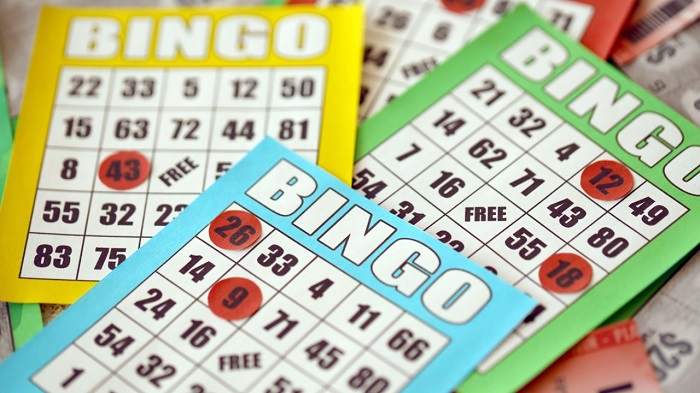
For generations, popular culture froze bingo in amber: a hushed church basement, rows of folding tables, the faint scent of coffee and tobacco, and the steady thud of ink daubers against newsprint grids. It was understood as a ritual of quiet concentration, punctuated only by the occasional sharp cry of victory and the disappointed rustle of paper across the room.
Step inside a modern bingo venue on a weekend evening, however, and that familiar image dissolves immediately. In major cities across the country, bingo nights now feature booming sound systems, stage lighting, live performers, and crowds of young professionals singing along to pop anthems between number calls. At the same time, millions of casual players participate through sleek smartphone interfaces on their daily commutes, matching patterns alongside international communities without ever touching a paper sheet.
The core game remains deceptively simple, but the cultural space it occupies has shifted dramatically. Bingo has grown out of its traditional constraints to become one of the most versatile formats in modern social entertainment.
The Cultural Shift to Experiential Nightlife
The most visible transformation of the game is happening in brick-and-mortar venues after dark. Over the past decade, event organizers realized that bingo possesses a structural advantage that few traditional party concepts offer: structured anticipation paired with universal accessibility.
Unlike trivia nights, which can intimidate casual participants with obscure facts, or karaoke, which requires personal performance, bingo places everyone on identical footing from the opening call. Nightlife innovators built on this foundation by stripping away the rigid etiquette of the traditional hall. In its place, they introduced immersive stage hosts, dance intervals, unconventional prizes ranging from absurd gag gifts to high-end electronics, and communal celebrations every time a row is completed.
This hybrid format appeals directly to consumers looking for experiential socializing. Rather than sitting in a bar staring into a phone screen or shouting over music without a shared focus, attendees participate in an ongoing collective narrative. The game provides just enough structure to keep the room united, while leaving ample room for spontaneity, laughter, and relaxed social connection.
Digital Evolution and the Lowering of Barriers
While nightlife concepts brought bingo to the weekend crowd, technology carried it into everyday routines. The transition to digital platforms did not simply replicate the game on a screen; it re-engineered how people interact with the mechanics.
Removing Mechanical Friction
In traditional paper formats, tracking three, six, or twelve cards simultaneously is an acquired skill that requires intense visual discipline. A momentary lapse can mean a missed number and a lost round.
Digital platforms solved this entry barrier through automated number tracking and auto-daubing features. Software algorithms highlight matches instantly, alert players when they are close to a winning combination, and validate claims immediately. By automating the mechanical burden, digital interfaces allow participants to focus entirely on the excitement of the draw. This convenience opened the door to casual players who find traditional multiboard management overwhelming, turning what used to be a high-focus hobby into effortless casual relaxation.
Building Virtual Third Places
Online bingo platforms have also evolved into vibrant community hubs. The social heart of the historic bingo hall was always the side conversations between friends and regulars at the tables. Modern digital spaces replicate that warmth through integrated chat rooms, moderated community forums, and side games that run between rounds.
These virtual lounges function as modern third places—spaces outside of work and home where people gather for casual companionship. Dedicated chat moderators keep the energy light, spark trivia discussions, and foster a welcoming atmosphere that mirrors the neighborhood familiarity of local clubs. For remote workers, homebound players, and scattered friend groups, digital rooms offer a low-pressure social anchor available at any hour.
Redefining the Modern Physical Space
The evolution is not confined to mobile screens or raucous party nights. Dedicated physical bingo facilities are quietly renovating their operations to welcome a more diverse generation of visitors.
Modern venues are stepping away from institutional cafeteria designs in favor of warm lighting, comfortable lounge seating, and thoughtfully curated food-and-beverage menus. Many operators have adopted a hybrid gameplay model, where guests can choose between classic paper sheets and handheld electronic terminals that track dozens of cards automatically.
This coexistence of formats preserves the tactile satisfaction of rolling a number dauber across physical paper for longtime patrons, while offering high-tech convenience for younger visitors accustomed to digital gaming. Rather than replacing the past, forward-looking venues use technology to accommodate different preferences under one roof.
Why the Simplicity of Bingo Endures
The gaming world is currently dominated by complex mechanics, photorealistic graphics, and demanding narrative campaigns. In that environment, the continued relevance of a five-by-five grid might seem unexpected. Yet bingo’s resilience is rooted precisely in its straightforward nature.
Modern life involves constant decision-making and cognitive overload. Bingo offers a welcome counterweight: passive engagement combined with genuine suspense. Players do not need to master complex skill trees or memorize rulebooks. The tension between absolute chance and the slow assembly of a winning line generates a steady release of anticipation without inducing mental strain. It is a rare game where absolute beginners and veterans of forty years have the exact same probability of winning on any given round.
A Communal Future Rooted in Shared Play
Games rarely survive across centuries unless they adapt to the emotional needs of their audiences. Bingo began as an Italian lottery variant in the sixteenth century, traveled through European parlors, became an educational tool in Germany, and established deep roots as an American fundraising institution throughout the twentieth century.
Its latest chapter proves that the format is far more agile than old stereotypes suggested. By shedding its quiet, insular reputation and leaning into social energy, digital ease, and shared celebration, bingo has reaffirmed its place in contemporary leisure culture. Whether played under neon lights with hundreds of strangers or quietly on a tablet during a lunch break, the game continues to thrive because it delivers something universally appealing: a simple, shared moment of hope as the next number is called.
